
Worldbuilding. Let’s set the stage.
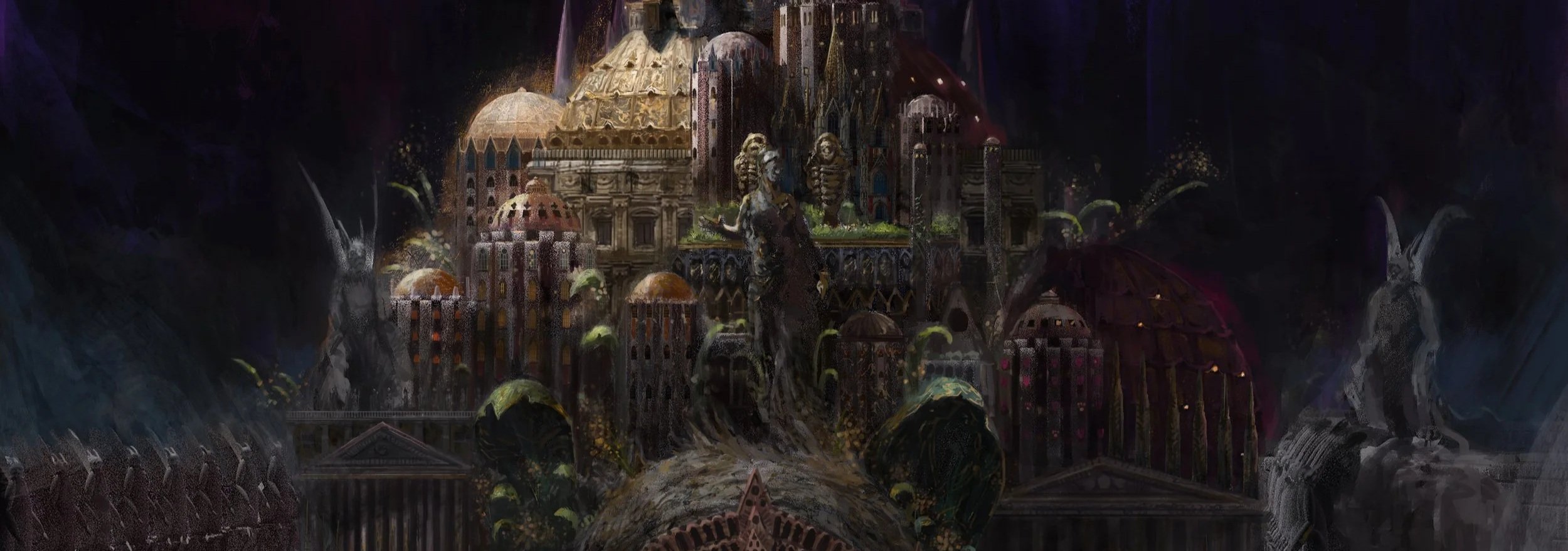
Worldbuilding. Arguably the hardest part of any form of writing, not just in table-top role-playing games. Your world is the setting of your entire campaign, and if there’s one guarantee throughout entertainment, your viewers/ players will do everything in their power to poke a hole in your hard work.
Trust me, I know. I’ve only gained my skills in worldbuilding by having one particular member of my table incessantly pick apart the details.
The key to successful worldbuilding is to remember that, at the end of the day, your world should serve your story. Whether it’s a fantasy or sci-fi setting, the details should exist to enhance the narrative you want to tell. What do I mean by this? I mean that the details you choose to focus on in your worldbuilding should be useful to the narrative you are trying to weave. You know me well by now; let’s dissect this with an example.
License to Magic
Say you’re telling a story in a society of mages where magic is only allowed to be used with a special permit. In fact, the magic users in your party specifically had to fill out applications to be given dispensation to use their magic, and as a result, they need to keep a strict track of what spells they use and when. As a result, spellcrafters may be a bit harder to come by, and they may even have run-ins with the law as a result of errant magic use. But immediately from this tiny narrative device, we have questions we can use to start building our world.
Why is magic banned except by permit?
How long has this system been in place?
What are the requirements to get a license to use magic?
What does the governing board that manages these licenses look like? (I’m imagining a DMV-style process to go through the process.)
How do you LOSE your license?
Is there a test?
As you can see, these questions all poke at little elements of your world that you can spin off and form an entire society from. If you’re like me, you may also see a great plot forming from this worldbuilding, and as you can imagine, worldbuilding serves the story, which serves worldbuilding, and the cycle of storytelling is born. Remember, we want the worldbuilding to serve the story, so let’s temper our questions to craft a world for a narrative.
Answering the above questions and their spinoffs can help form a rich and nuanced world, but there’s also a limit at which point you go too far, to the point of limiting yourself. A rigid world might be good for a structured narrative, but remember, TTRPG’s are interactive, and defining too much from the beginning can cause you to get too tied down to the details. My recommendation is to build the world only as much as you need, and only in the direction your party is looking. You don’t need to stress over the details of how the taxation system works (unless your campaign is about that), but I would get the basics down of how settlements work, basic social structure, etc. The best way I like to describe this is the two-dimensional iceberg model.

Iceberg Ahead!
An iceberg is a common example of only seeing the tip of what is a much larger monster. As a writer, your job is to develop that which your party can see. What do I mean by a two-dimensional iceberg? Believe it or not, you can get away with only building your iceberg from the angle your party is looking at it. Maybe you do need to understand the taxation system, but only inasmuch as your party interacts with it. Let’s talk about our example questions above. Although knowing the fun, detailed answers to how the Magic DMV works, unless your party is going to be spending a session standing in line at the DMV, you don’t even need to develop the details beyond ‘the Magic DMV exists.’ Sometimes building the details can be fun, but focus on what your party’s seeing. If you have magic users, focus on how their licensing works, not how they got those licenses.
And remember, your party is an asset. There’s a great section of my Actual Play where my party walks into a store called The Three Steves. I wrote in my notes that the Three Steves was founded by three guys named Steve who were amused that they shared a name. My party, as you can see from the clip, spun a whole mess of details about the entire history of this store, fueled by one party member whose backstory had him frequenting this store in the past. I let them run with it, because they made up something hilarious, it added to the narrative, and they were able to participate in the creative process. Now, of course, you may need to rein them in on occasion, but when it's serving your narrative, let your players go ham. It’s how you’ll learn that the name Digby is a common name, but William is so rare it doesn’t come on the standard novelty keychains sold at The Three Steves.
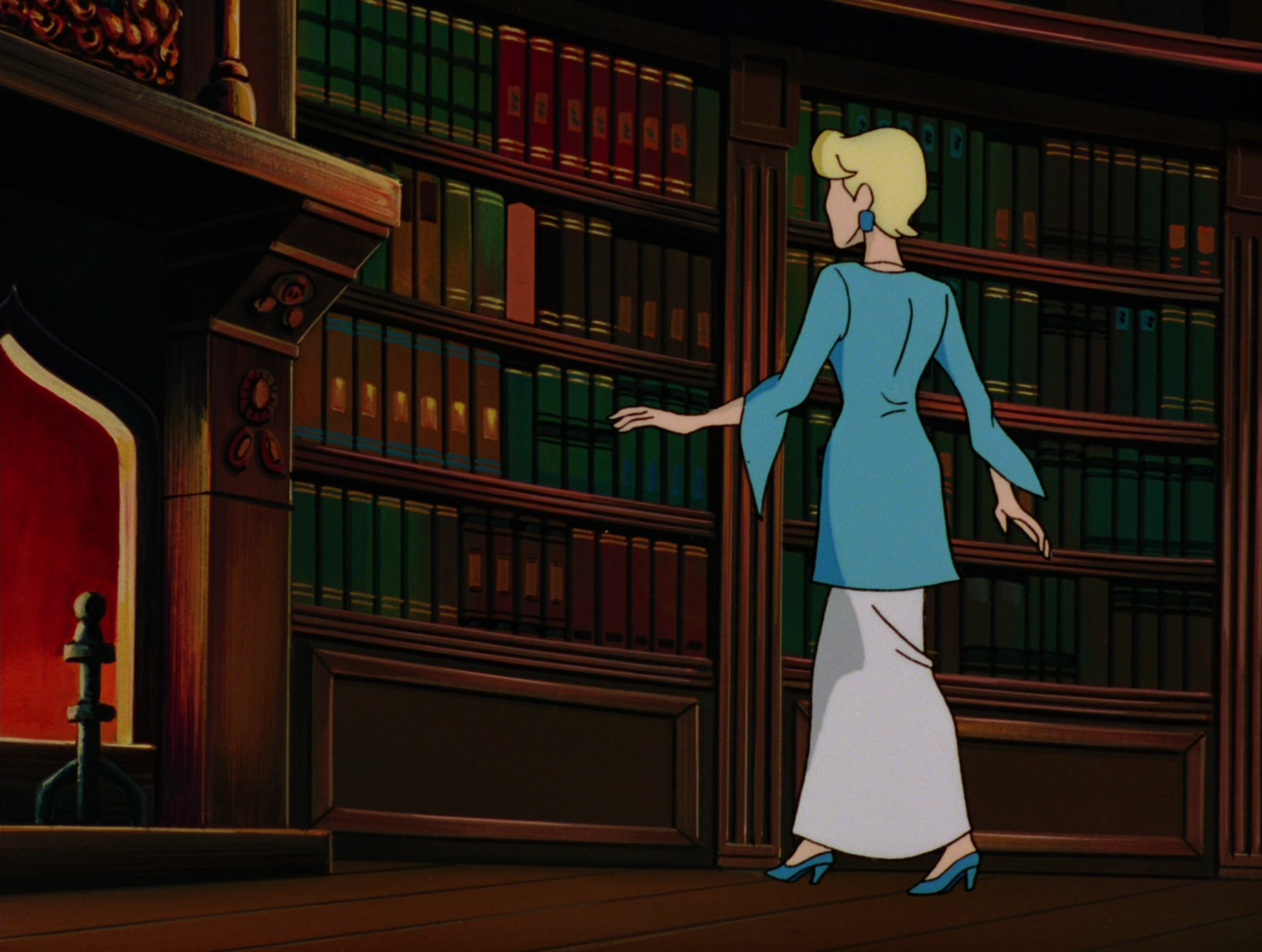
Scooby Doo And the Zombie Island. Copyright 1998 Warner Bros. Studios.
The Animation Art Style Shift
The other way to look at worldbuilding is to build it in a way that draws attention to the parts you want your players to see. Narratively, this is you drawing attention to details in the scene you paint in your head, and cartographically, this is you highlighting certain parts on the map to draw your characters to that portion. I like to call this the Scooby-Doo method of worldbuilding (which, as a reference, dates the age of the author of this article). Look at the image above, I’ll let you guess which book they’ll be picking up.
In the era of 2D animation, it was common to be able to know which door or locker the animated characters would open because it was drawn in a different style than the background paintings. Do this as you build the world of your campaign. “Draw” the important parts of your world in a different art style, so to speak. Practically, what this might look like is spending more time describing a particular artifact or section of a bookshelf, or if you’re looking at a map, you may use more color or detail on sections that are important. These details will help illustrate what parts of your adventure you’d like your party to interact with (and be prepared for your party to latch onto the wrong details).
Closing Thoughts
Worldbuilding is an iterative process of what we discussed here, filling out the details like a painter fills out all the blank spots of a canvas. It might seem daunting to build an entire universe for your campaign, but remember, you don’t need to build it all at once. Start with the corner your players will be interacting with and go from there. In television, a show bible is often kept, ensuring the important aspects are consistent, and I recommend this approach. Take notes on the aspects you build and refer to them when you need to. I mentioned Notion in my last article, but if you’re enterprising, you could even set up your own Bookstack to keep track of everything. But like in any good tradition of a world that builds big, remember you are the God of your world. When necessary, retcon what you need to so the story works. After all, what is worldbuilding without a little Mandela Effect thrown in for fun?
If you want more on Worldbuilding, Brandon Sanderson’s lecture series has a whole two episodes on it, and I highly recommend it.
Until next time, may the rolls be ever in your favor!
Zia Ellithiel is a game artist and forever Game Master, who has been running D&D fifth edition adventures for over ten years. You can connect with her on Bluesky at @spacegothprincess.