Who’s Afraid Of The Big Bad Metaplot?
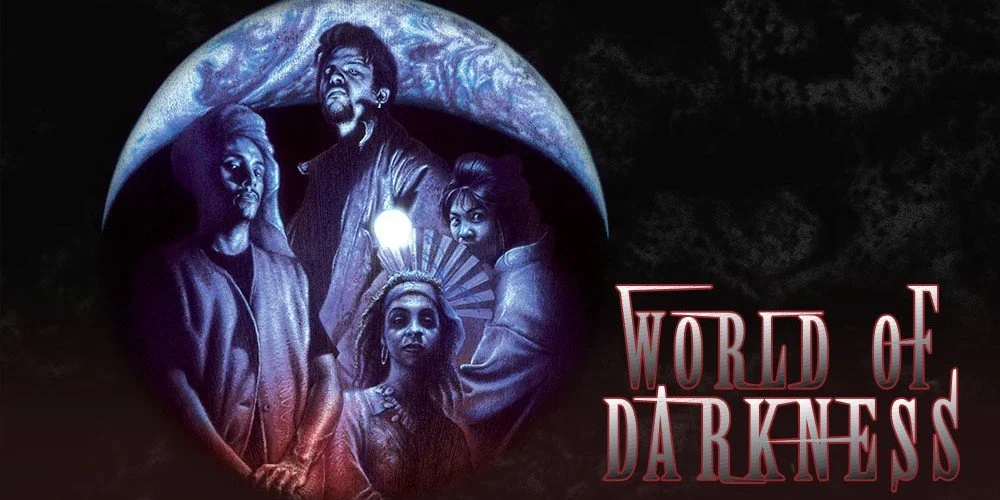
For some players, the true horror of the original World of Darkness was its expansive and often convoluted Metaplot.
You’re joining a tabletop RPG group. You understand the expectation that you’ll keep up with the plot of the game that unfolds every session alongside the Storyteller and your fellow players. It seems simple enough, surely? You fool! That’s only the surface level plot. There is a plot beyond plot, a “Metaplot,” if you will, that comes from mysterious scribes in exotic places like Seattle or Atlanta. Your puny Storyteller only shapes the future of a single region. The Metaplot is the cosmic destiny of the entire campaign world. You’re local news, the Metaplot is CNN. Or something like that.
Metaplot in tabletop RPGs has proven to be among the most strangely divisive features any game line can offer. For a brief definition, in the context of RPGs, Metaplot generally refers to a set of canon events that slowly reshape a fictional setting over time. Traditionally, Metaplot was offered through a slow drip feed of information in supplemental books, though it was sometimes also updated in large chunks in new editions of core books. While Metaplot bore a poor reputation as of the mid 2000s, I think we need to reassess its role in the hobby. Honestly, I miss it.
Some of the more noteworthy Metaplot-heavy game lines include Deadlands. This RPG canonically ushered its original Weird West setting into the Hell on Earth time period through events parceled out in supplements and an adventure trilogy, transitioning from a surreal and supernatural take on the American West to a demon-infested post-apocalyptic world. Legend of the Five Rings, an IP that supported both a tabletop RPG and a collectible card game, had much of its metaplot shaped from the results of officially sanctioned tournaments of its competitive CCG. This was a novel approach, but might have alienated some fans.
Legend of the Five Rings was a rare case where a CCG helped shape the metaplot of a tabletop RPG.
For many hobbyists, when we think about Metaplot, we go immediately to White Wolf’s original World of Darkness game line. RPGs like Vampire: the Masquerade, Werewolf: the Apocalypse, and Mage: the Ascension were each lore-heavy tomes, depicting various secret supernatural conflicts taking place in a nightmarish version of our real world. They presented a default player-character organization containing several different factions. Vampire had its Clans, Werewolf had Tribes, and Mage had Traditions. These games also bore a prophesized end of the world event, like Vampire’s Gehenna and Werewolf’s Apocalypse. Metaplot played a truly pivotal role in the World of Darkness.
World of Darkness Games: The Methuselahs Of Metaplot
From one edition to the next, a vampiric Clan with Camarilla membership might swap allegiances to the Sabbat or the Anarchs. One of Werewolf’s Tribes might fall to The Wyrm. Mage, a game that operated on a higher scale of stakes than the others, would see changes tied in with numerous other World of Darkness lines, as lore from Vampire or Changeling could shape the Consensus, in turn impacting both Tradition Mages and their rivals in the Technocracy. That’s a lot to track, certainly, made more difficult in the days of the early internet. For some, it was immensely rewarding.
“Tabletop RPGs aren’t a passive medium like comic books. The Storyteller is meant to be the one crafting the unfolding Chronicle, and the player characters are supposed to take center stage.”
To truly understand the schism between Metaplot enthusiasts and Metaplot haters, a comparison to comic books might be illuminating. A casual fan might be aware of Batman as part of the cultural zeitgeist through movies, cartoons, and video games. They decide to get into the Batman comic books, and find there are four different Batman-centered comics running at once. They enter with certain expectations, but might find out that Bruce Wayne is not the current Batman, it’s Jean-Paul Valley, or Dick Grayson. At times, Gotham City might not be part of the USA, as in the No Man’s Land era.

Unconventional eras in comics like Batman illustrate how Metaplot sometimes challenges the default assumptions of tabletop RPG settings.
These entry points can be jarring for new or casual fans who entered with certain expectations and find they must read up on lore to understand the current status quo of Batman’s world. Conversely, dedicated comic fans might have a very different take. If someone has been loyally reading Batman comics for years, the sitcom-like patterns can become tedious. It might not be exciting to experience the hundredth time the Joker or the Mad Hatter escape from Arkham, go on a rampage, then are recaptured, unharmed, only to repeat the cycle. Major status quo changes are exciting and keep things fresh.
An arc like the War of Jokes and Riddles, where all of Gotham’s criminals are divided into two camps, ruled by the Joker or the Riddler, might offer a good comparison to some Metaplot events in TTRPGs. This leveraged existing iconic characters and factions to create a new dynamic within the setting of Gotham City. Shifting Vampire Clan allegiances might mirror events like Face the Face, where Harvey Dent temporarily reformed and worked under Batman’s tutelage as a hero. A world where nothing changes can feel less dynamic and believable, and can certainly grow stale over time, for dedicated fans.
“I realized recently how much I owe to those formative RPGs that were Metaplot-heavy. Even if I did not directly use the official Metaplot, those provided an excellent template for what changes to a world’s status quo look like.”
Now, circling back to tabletop RPGs, it’s easy to see how Metaplot is a double-edged sword. Tabletop RPGs aren’t a passive medium like comic books. The Storyteller is meant to be the one crafting the unfolding Chronicle, and the player characters are supposed to take center stage. Groups that do try to stay up to date by incorporating Metaplot into their home games might find it adds a sense of dynamism to the world, but it could also conflict with the ST’s own plans for their story. A player might find their favorite Clan or Tribe is no longer playable.
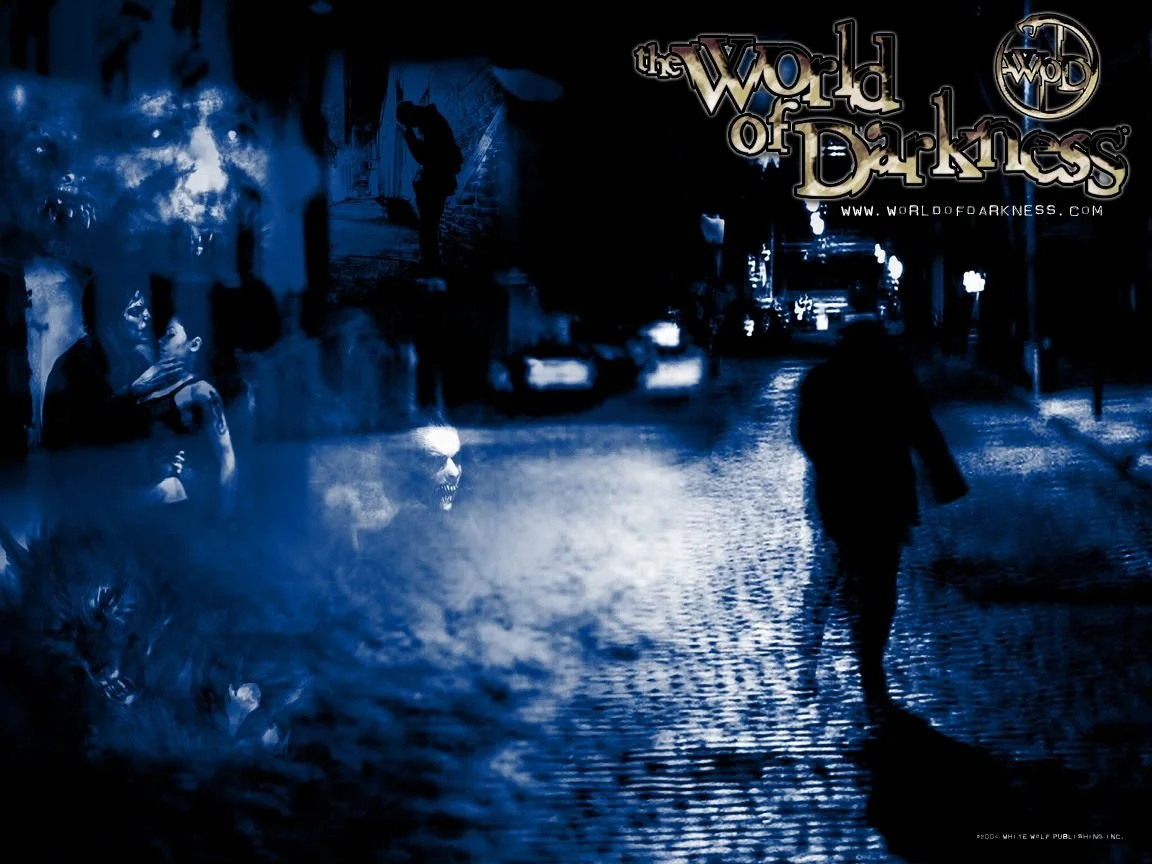
White Wolf’s new World of Darkness ditched the emphasis on Metaplot, unlike the original WoD.
White Wolf read the room, so to speak. It determined that fans were tired of Metaplot, so one of their mission statements for the New World of Darkness line, later renamed Chronicles of Darkness by Onyx Path, was that it would be Metaplot-free. I’ll admit, at the time I felt they made the right call, as did many others, but I found myself missing it as soon as it was gone. In part, it was because supplements did not offer an element akin to serialized fiction along with new rules and lore. In hindsight, there was more to it.
How I Learned To Stop Worrying & Love The Metaplot
In my own home games, as a Storyteller, I am always swinging for the fences. I love to use highly fleshed-out game worlds, most often pre-written settings, and almost immediately after establishing the world’s status quo, I go about shattering it through the events of the game. My campaigns have their own Metaplots, and the players directly shape them. I realized recently how much I owe to those formative RPGs that were Metaplot-heavy. Even if I did not directly use the official Metaplot, those provided an excellent template for what changes to a world’s status quo look like.
“I saw Metaplot as another tool in my chest, either a thing to use to keep the world fresh, or a source of inspiration for my own storytelling, not a straitjacket.”
I might run a Legend of the Five Rings game where an uneasy peace is brokered between the forces of The Shadowlands and the Great Clans of Rokugan, or a Shadowrun game where events lead to the Corporate Court suddenly having much more power to regulate the setting’s megacorps. In Primeval Thule, the nine deities of the continent never remain static from one arc to the next when I am the game’s Storyteller. From self-evaluation, I know I prefer big, epic-scale games where the player characters are in a position to change the world, for good or for ill.
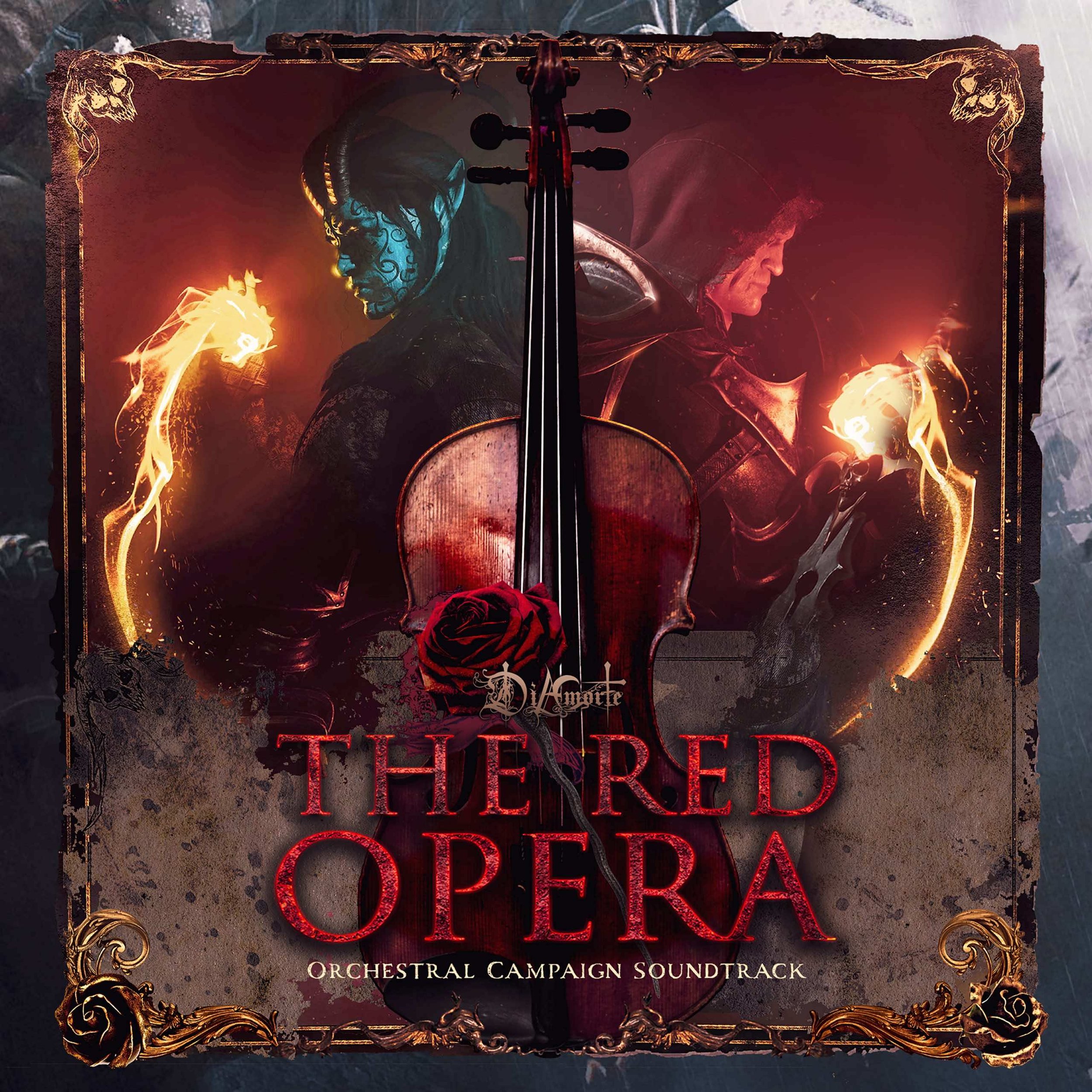
Campaigns from Storytellers Forge like The Red Opera and The Black Ballad feature major changes to their settings' status quo in much the same way Metaplot altered TTRPG worlds.
Having a major shakeup to the status quo, one that mirrors the Metaplot structure of many RPGs, serves a twofold benefit for me. It keeps things interesting, allowing me to surprise my players, but it also signals to them that this is a world capable of change. If outside forces and events can change the world, so can they. They aren’t locked in a sitcom-like pattern where the same cast returns to the same living room. Their stories don’t end with the Joker being once again incarcerated or saving Baldur’s Gate so it can go back to business as usual.
The White Wolf Metaplot structure, particularly as showcased in Mage, showed how major events in one game line can have ripple effects all across the fictional shared setting. This helped me portray how worlds adapt to my own fictitious sea changes, as well as those resulting from player choices. I love Metaplot, even if I did not always use it or adhere to it. That might be the difference. I saw Metaplot as another tool in my chest, either a thing to use to keep the world fresh, or a source of inspiration for my own storytelling, not a straitjacket.
“The events of the Spellplague ushered FR from 3e to 4e D&D, restoring many of the links between Abeir and Toril. The Second Sundering brought the Realms into 5e and put everything back where it was before.”
While many see official Metaplot as a relic of the past, mostly associated with the RPGs of the ‘90s and early 2000s, the single most popular campaign world in the hobby is a prime example of official Metaplot, and how Metaplot continues to be divisive with fans. Forgotten Realms became close to the default setting for 5e Dungeons & Dragons, unlike prior editions, to such a degree that it muddied the waters for many on whether D&D is a setting or a setting-agnostic set of rules (which is a topic for another day). Forgotten Realms absolutely has an official Metaplot.
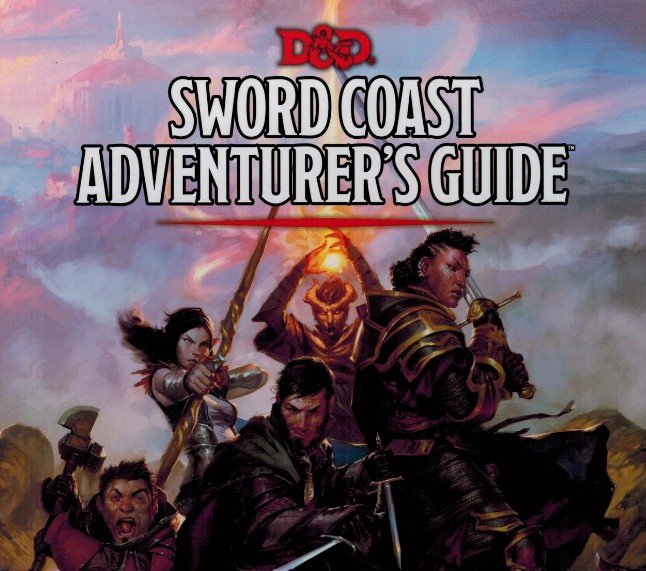
Forgotten Realms, the world that is now essentially the default setting for Dungeons & Dragons, has a rich history of Metaplot associated with edition changes.
People’s judgment of the Metaplot governing events in Abeir-Toril tends to be muddled by the fact that the forward moves in the world’s timeline have typically been associated with rules revisions - new editions of D&D. The major events, in part, served to rationalize mechanical changes and revised pantheons. The Time of Troubles was the Advanced Dungeons & Dragons era version of this. The events of the Spellplague ushered FR from 3e to 4e D&D, restoring many of the links between Abeir and Toril. The Second Sundering brought the Realms into 5e and put everything back where it was before.
As a longtime reader of R.A. Salvatore’s entire The Legend of Drizzt novel series, I have seen how the author incorporated the official Forgotten Realms Metaplot over nearly 40 books. During the Time of Troubles, the psychics of House Obladra saw a rise in power, only to fall when divine magic was restored. The Spellplague era brought some major status quo changes, as numerous iconic characters died before Drizzt had a romantic pairing with Dahlia. The Second Sundering leapt through some narrative hoops to restore Drizzt’s allies to life, reuniting him with Catti-brie and the rest of his reincarnated Companions.
“The nuance was often lost, but, like any other element of a tabletop RPG, from its rules to its lore, Metaplot is, and always was, optional. Every gaming group and Storyteller ultimately chooses.”
Salvatore didn’t personally determine all the changes imposed on the setting through Metaplot advancement. He did provide a great example of how a writer can make those setting-wide changes relevant to their characters, while keeping the protagonists and their experiences in the spotlight. These novels have varied in the degree to which they address D&D’s mechanical changes. They have never failed to showcase ways the evolving lore impacts Drizzt, and how it offers opportunities for different kinds of adventures, and dynamic shifts in the status quo - even if they were temporary, as The Second Sundering mostly rolled things back from The Spellplague.
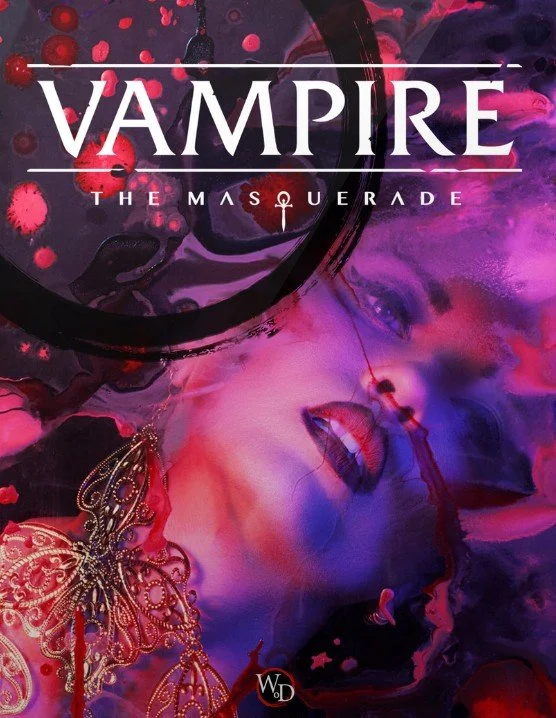
In its Fifth Edition release Vampire: the Masquerade modernized its lore and de-canonized the end of the world from the original WoD Gehenna book.
Adding this Metaplot example to the mix, we can better see why it is such a polarizing element in the hobby. A Storyteller or player who is heavily invested in the lore might simply dislike a change to Clan Brujah in Vampire’s Metaplot, or they might think the Forgotten Realms Spellplague cut off avenues for certain plotlines they were interested in exploring. Another player might be upset that they cannot play their favorite Vampire Clan as part of the Camarilla, while others might simply dislike the 4e D&D rules. Frustrations with lore and changing mechanical options become conflated with Metaplot.
Metaplot Is A Helpful Resource, Not Zip Ties On Storytelling
Neither of these addresses the third (arguably the most rational) complaint about Metaplot, which is simply the perceived need to keep up with it, and the detrimental impact it can have on games already in progress. A Metaplot that involves iconic NPCs and distant forces reshaping the world does not put the player characters at center stage or grant them agency regarding the changes to the world. The nuance was often lost, but, like any other element of a tabletop RPG, from its rules to its lore, Metaplot is, and always was, optional. Every gaming group and Storyteller ultimately chooses.
“By making it clear what role it will, or won’t, play in a specific campaign, Metaplot becomes a fun option, not an albatross around the Storyteller’s neck.”
They choose whether to follow Metaplot up to a certain point where their own story branches off from it, to follow an altered version of the metaplot, or to disregard it altogether, starting with the most default rendition of the game world. It is possible that the misperceptions that made Metaplot and lore feel like mandates rather than options led many STs to throw up their hands in frustration, opting for fully home-brewed worlds over more fleshed-out published campaign settings. Metaplot was always a feature that any group could choose to ignore, like a USB charger in a couch’s armrest.
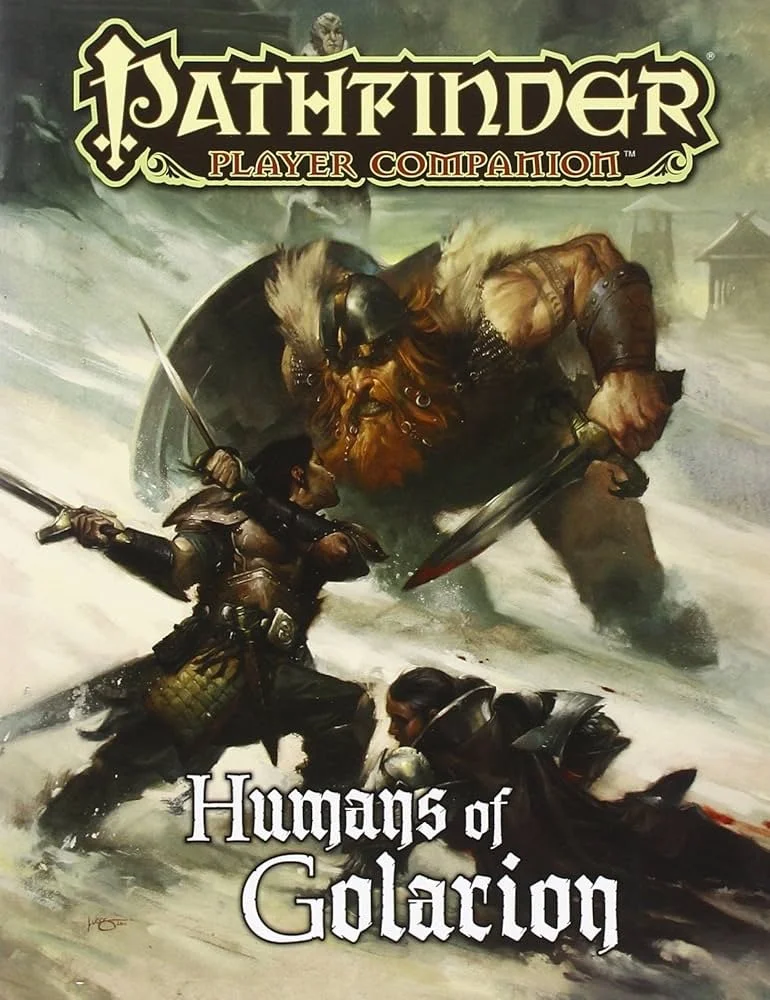
Pathfinder’s Golarion setting took an interesting approach to Metaplot, advancing the setting’s timeline largely in tandem with real-world time progression, and each published adventure is canon to the setting.
For those who dislike Metaplot, it likely felt like wasted page count in core books and supplements. That is a personal preference, the evaluation of what holds adequate value to you, as a consumer. Some felt it required them to dedicate time to keep up with lore. That’s both an individual choice and a communication issue amongst one’s gaming group, to ensure proper expectations. Whether a specific Storyteller and their group choose to ignore Metaplot, adhere to it rigorously, or something in between, that is a decision discussed at Session Zero, or before. Metaplot is an option, not a burden.
I have a hard time imagining any perceived Metaplot issues truly impacted that many groups. It always seemed more of a white room problem, not a practical concern. Imagine a Storyteller, two years deep into an epic Vampire Chronicle centered on Clan Ravnos as the antagonists (it could happen), then the Revised lore says that Kuei-jin from Kindred of the East wiped that clan out. Did this apocryphal ST really tell their players that the “Ravnos problem” was outsourced, and their vampires had been basically laid off? (Capitalism really WAS the greatest monster in the World of Darkness, called it!)
Just as every rule is ultimately optional, so is Metaplot. Outside of organized play events, every game, even campaigns using well-established settings or even a pre-written adventure, offers the group’s Storyteller choices. The ST can decide what rules they wish to use as written, or alter, and which lore they want to incorporate, or leave out. Metaplot only becomes a burden when a Storyteller and their players are not aligned on table expectations. By making it clear what role it will, or won’t, play in a specific campaign, Metaplot becomes a fun option, not an albatross around the Storyteller’s neck.
Derek Garcia is a tabletop RPG writer and editor who has been a passionate fan of the hobby for decades, as a Storyteller and player alike. He previously wrote feature articles about TTRPGs for Screen Rant before entering the industry himself. You can find the “alpha” version of his original D&D campaign setting and 5e rules revision, Forgotten Fate, on DriveThru RPG for $5 USD: https://www.drivethrurpg.com/en/product/500801/forgotten-fate-5e-compatible-core-rule-book
Derek has worked on RPG projects for Promethium Books, Pinnacle Entertainment Group, and World’s Largest RPGs, among others. Now he has joined the crew working on The Red Opera Reforged, and other Storytellers Forge products to come – which may eventually include a Forgotten Fate Reforged!