Magical Anarchy & Other RPG Campaign Adaptations Can Thrive
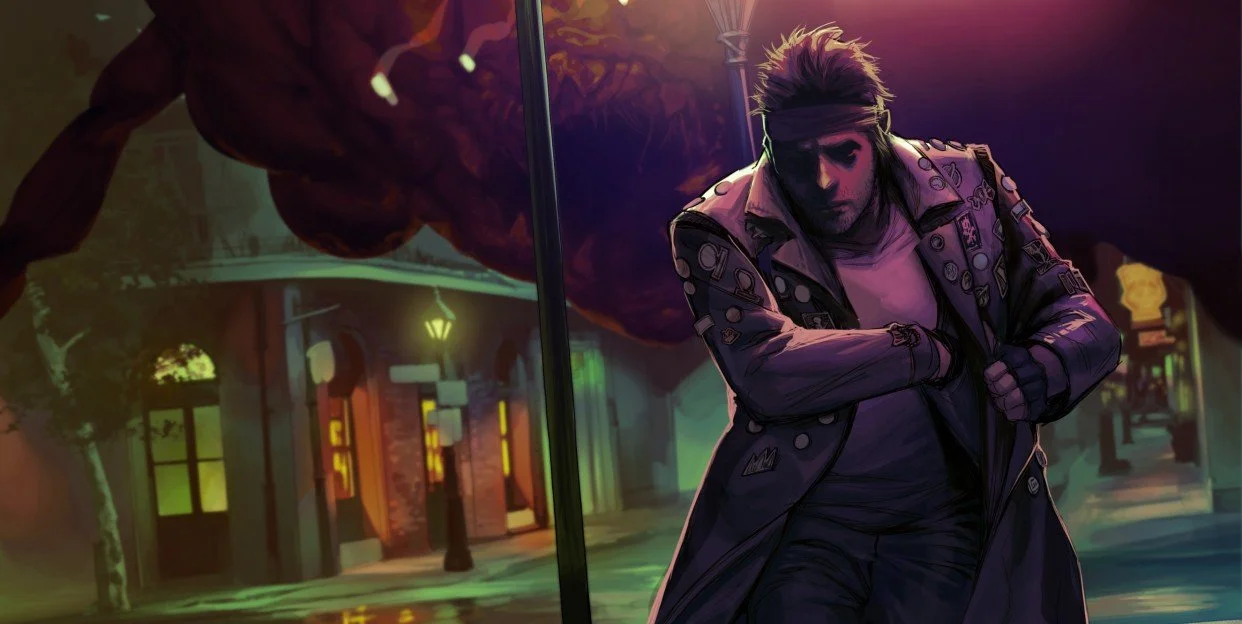
Magical Anarchy, soon to go to crowdfunding via Backerkit, will adapt The Seventh Age into an audio drama format.
I’m new to the world of The Seventh Age series by Rick Heinz, a multi-part fantasy novel epic that is undergoing a rebranding to the new Magical Anarchy name - which will soon form the basis of the Magical Anarchy audio drama Backerkit crowdfunding project - but it already feels like a familiar neighborhood I grew up in, thanks to its inspiration from White Wolf’s World of Darkness Tabletop RPGs. Magical Anarchy, and its original incarnation as The Seventh Age, had its beginnings in the world of Live Action Roleplaying, and The Seventh Age LARP page still stands as a testament to this. I don’t take that as a bad thing, personally, as fiction inspired by TTRPG and LARP Chronicles includes some excellent offerings.
As I elaborated on in a prior article, Disco Elysium has its roots in tabletop RPGs as well. This shouldn’t surprise anyone who experienced that watershed moment in video game RPGs, as it employed a simple TTRPG-style dice and skill-based system to adjudicate actions. Disco Elysium took place in the homebrew world created by Robert Kurvitz and elaborated on by the original team at ZA/UM, the same setting as Kurvitz’s novel Sacred and Terrible Air. (Tracking down a translated copy is well worth it for my fellow Disco heads.) Seventh Age is similar, but it wears its TTRPG influences more openly.
“Much like the original World of Darkness, The Seventh Age has no shortage of villains and shady characters. One excellent addition that the books add to the mix is that they give the reader someone to root for.”
For those who recall the World of Darkness line, in its original incarnation, TTRPGs like Vampire: the Masquerade and Mage: the Ascension included their own version of an apocalyptic prophecy baked into their fiction. These game lines all officially wrapped their metaplots in 2004 with the Time of Judgment series. In an earlier article, I discussed how TTRPG metaplots are great, but also how individual Storytellers should feel free to branch off from them. The Seventh Age did exactly that, with an alternate take where the world did not end, but changed, with magic returning in full force for all to see.
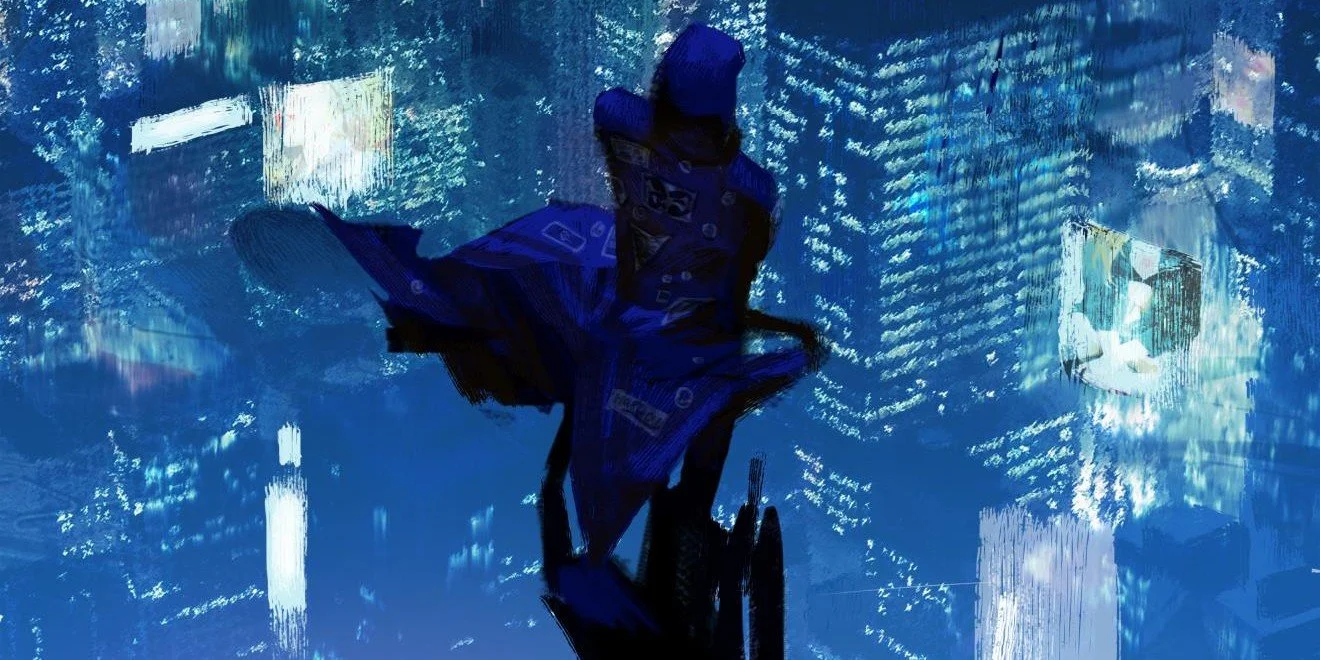
The Seventh Age contains elements of tabletop RPGs like Shadowrun and White Wolf’s World of Darkness setting.
This event may seem familiar to Shadowrun fans as the inciting incident behind that TTRPG setting’s combination of cyberpunk and fantasy elements. Taking the core premise of the World of Darkness and flipping it on its head was a bold move. Each of its games ran with the idea that they take place in a darker version of the real world, where a secret world of supernatural conflicts took place outside the knowledge of the world at large. In The Seventh Age, a shadowy cabal, appropriately called The Unification, has unified many of the setting’s supernatural power brokers.
“Ty Franck’s beloved sci-fi series The Expanse began as a D20 Modern campaign. The Malazan fantasy series began as a GURPS game. Even the dense and philosophical world of R. Scott Bakker’s Second Apocalypse series began with Dungeons & Dragons sessions.”
These beings, which include various forms of magic users, vampires, and other creatures of myth and legend, intend to open portals into hell and send “helldivers” to retrieve Lazarus. The intention, as it’s spelled out in the first novel, is to use the returned Lazarus to usher humanity into a new age where the Unification will shape the future, remaining firmly in control of The Innocence, a concept akin to The Consensus from Mage: the Ascension. While “normal people” lack supernatural powers and immortality, their collective consciousness does shape the reality of the world. The supernatural beings who are no longer part of The Innocence still wish to control it.
Multimedia Adaptations Can Transform Their TTRPG Source Material
Just as with the World of Darkness metaplot that inspired it, there are numerous factions and conspiracies that unravel in The Seventh Age. Some groups want to openly return magic to The Innocence, rather than leaving it as part of a secretive shadow world for the privileged few. Others are simple opportunists, interested in using the hell gates opened across the world as a chance to obtain personal power. Much like the original World of Darkness, The Seventh Age has no shortage of villains and shady characters. One excellent addition that the books add to the mix is that they give the reader someone to root for.
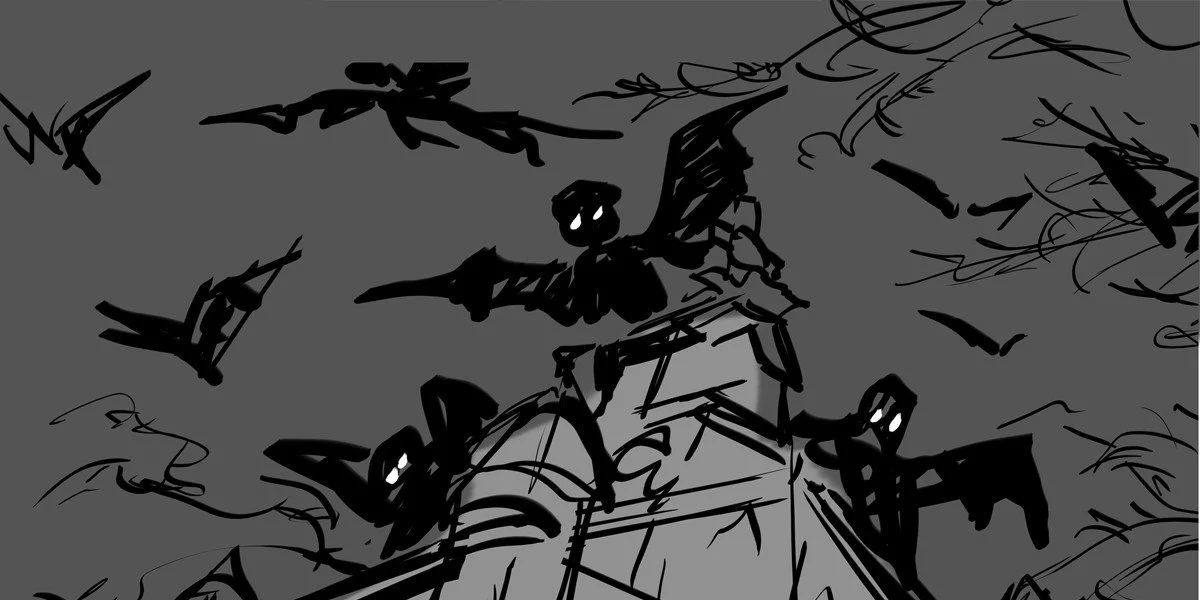
Like the World of Darkness, there are plenty of sinister factions in Seventh Age, but the protagonist gives the reader someone to root for.
Mike Auburn is the protagonist in the first novel, and he’s written as a person of deep moral convictions. He has one foot in the grave prior to encountering supernatural beings who recruit them into their shadow war, as his numerous brushes with death and the loss of loved ones allow him to see and interact with ghosts. The author, who worked on Wraith: the Oblivion products, brings some of that flavor to his characterization of Mike and his relationship with the dead. Rather than being written as a morose and self-pitying lead, Mike has heroic qualities. He is a self-proclaimed socialist who has been protesting corruption, wealth inequality, and abuses of power, well before he encountered a single vampire or wizard playing puppet master over the world.
“Tabletop RPGs remain a niche hobby, despite their recent growth, still only achieving a fraction of the audience of other storytelling-focused forms of media like novels, video games, or movies. It’s inarguable that the impact this small hobby has on the wider world of pop culture is significant, however.”
By putting his life on the line for his ideals, Mike rallies both a tight-knit group of supernatural beings called the Sons and Daughters, as well as the masses, as he draws public attention to the manifestations of demons pouring from the hell gates. He teaches humans how to abandon their role in The Innocence and take power for themselves by devouring the hearts of demons. (Another fun twist from World of Darkness canon The Seventh Age employs is this concept: that vampires are created by consuming the heart of a demon.) Even when the reader is unsure if they should root for the scheming lich, the rakshasa torture aficionado, or the monolithic cabal of The Unification, Mike Auborn adds at least one relatable and sympathetic faction.
TTRPGs Are A Small Hobby With A Big Cultural Impact
While it’s likely clear that I enjoyed the first Seventh Age book, and I’m excited to see its Magical Anarchy crowdfunding project present the story in a fresh new medium, I think it’s also important to reflect on the value of homage, of works transitioning from TTRPG Chronicles to other forms of expression, and how none of this is a bad thing for the world of fiction. Ty Franck’s beloved sci-fi series The Expanse began as a D20 Modern campaign. The Malazan fantasy series began as a GURPS game. Even the dense and philosophical world of R. Scott Bakker’s Second Apocalypse series began with Dungeons & Dragons sessions.
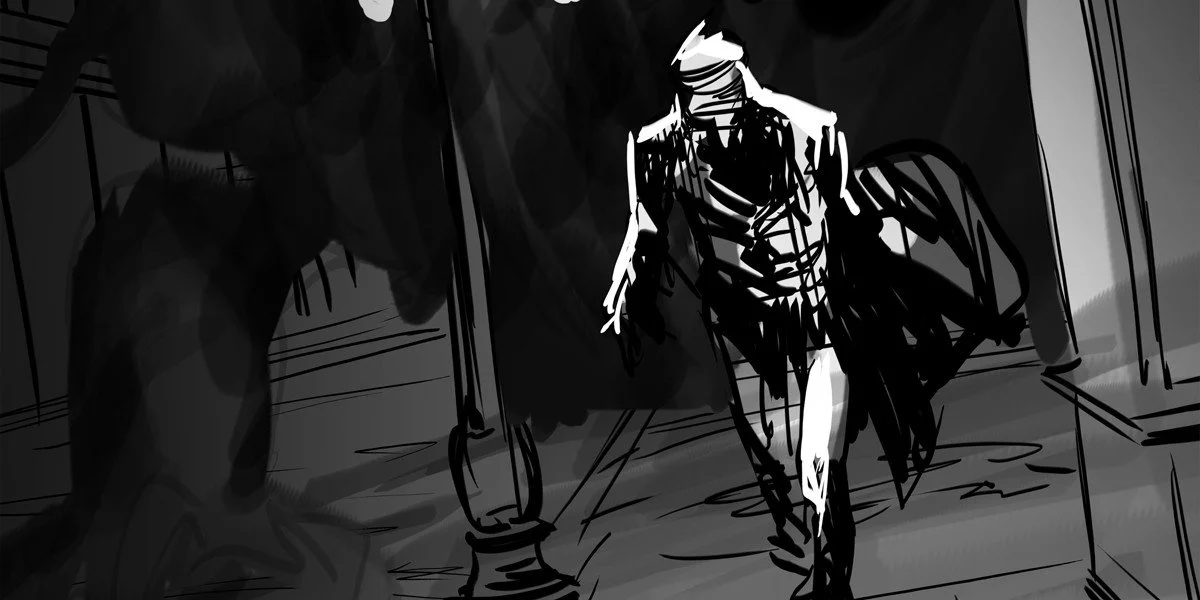
The stories told between Players and a Storyteller in TTRPGs can translate to other mediums to reach a vastly wider audience.
A Tabletop RPG Chronicle is a form of collaborative storytelling unlike any other, where the Storyteller creates a scenario and antagonists, but cedes authority over the story’s protagonists to the Players at the table. It’s likely that many of us have been in Campaigns where, at the end, someone proposes that “this should be turned into a novel.” With the ambitious Seventh Age LARP and novel series, Heinz did exactly this. The Magical Anarchy project will see the story told in yet another medium, restoring the multiplicity of voices - an element that certainly shaped the original LARP rendition of the story – to its newest planned rendition.
The first wave of projects for Magical Anarchy is the multi-voice audio drama, and the Backerkit page for Magical Anarchy is scheduled to go live in early September 2026.
If the Storytellers who experienced those Campaigns and Chronicles that meant a great deal to them didn’t proceed to shape those into stories they could share with a much wider audience, we would have missed out on modern sci-fi classics like The Expanse, or an all-time great video game like Disco Elysium. The TTRPG inspirations some of these stories carry do not make them less original. If anything, my familiarity with the lore of World of Darkness made it easier to quickly catch on to concepts laid out in The Seventh Age, like The Innocence, which might have been harder to comprehend without my experience with Mage: the Ascension.
Tabletop RPGs remain a niche hobby despite their recent growth, only achieving a fraction of the audience of other storytelling-focused forms of media like novels, video games, or movies. It’s inarguable that the impact this small hobby has on the wider world of pop culture is significant, however. The worlds and stories crafted at a TTRPG table regularly live on the memories of those who play them, but in many cases, they’re reborn into stories like The Expanse, Disco Elysium, or The Seventh Age series. For fans of the hobby, and of creative storytelling in a broader sense, it’s wonderful to see these bespoke experiences transformed, reaching well beyond those who were holding the character sheets and dice at their inception.