Severed Threads Shows Anyone Can “Direct” The Black Ballad
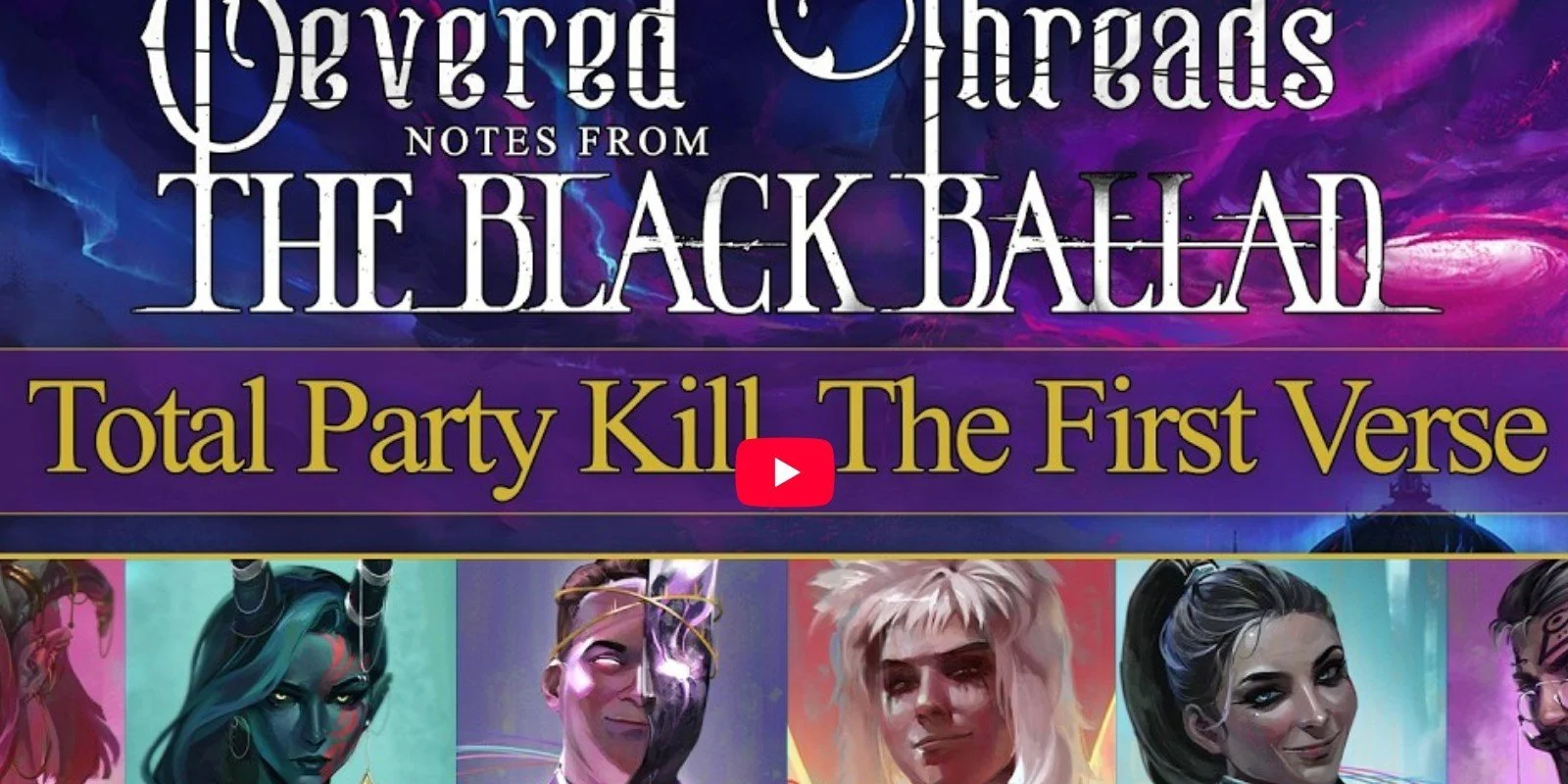
Severed Threads is an Actual Play of The Black Ballad, an adventure module and campaign setting from Storytellers Forge.
I’ve recently caught up with the Actual Play series Severed Threads: Notes From The Black Ballad, a playthrough of Storytellers Forge’s own Black Ballad adventure in the original campaign setting of The Sunless Crossing. I had previously read much of The Black Ballad in preparation for working The Sunless Crossing into a future arc of one of my own campaigns. Severed Threads really hammered home an idea - one that isn’t new to Tabletop RPG fans, certainly – that when it comes to pre-written adventures, the Storyteller is very much acting in a role akin to a film Director. As any film buff knows, the Director makes a huge impact.
“In all but the most somber of scenes, when confronted with grim stakes and a dismal scenario, the cast opts to crack jokes and make out-of-character observations. This is not unlike the heroes in James Gunn’s The Suicide Squad making quips at the death of a squadmate to keep the film’s tone from becoming too heavy (and perhaps to establish their jaded feelings towards life and death).”
When it comes to wholly original campaigns, the Storyteller is a Writer as well as a Director. They are determining the central conflict of the campaign, the key Non-Player Characters involved, and perhaps even engaging in extensive world-building, especially if they are using a homebrewed campaign setting. When they are running a pre-written adventure like The Black Ballad, they have a script to build from, but, like any good director, they will make changes to that script to fit their vision. When I read The Black Ballad, I immediately thought of some of the very heavy themes the setting calls to mind, suggesting the tone of a Mike Flanagan series.
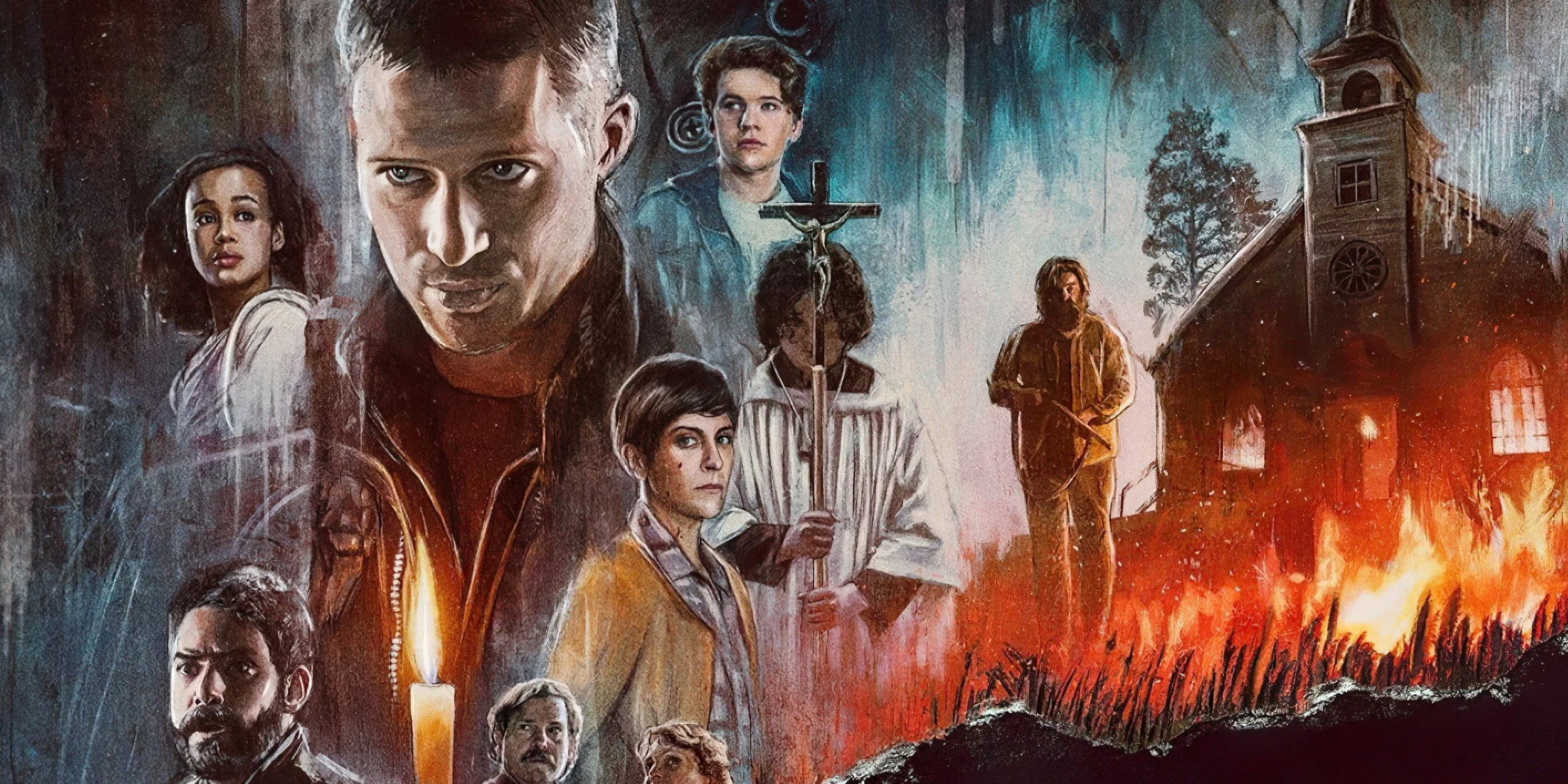
My initial read of The Black Ballad suggested a bleak and soul-searching Mike Flanagan tone, similar to Midnight Mass.
Player Characters are faced with the reality that their lives have ended, and it is out of their control whether they are resurrected, left to linger in The Sunless Crossing, or move on to their final, eternal fate. That last part is especially compelling, as that final fate could be a horrifying one. Characters could be facing eternal damnation, or something close to it, calling up themes from Stephen King’s novel Revival. The Sunless Crossing itself was highly reminiscent of the city of Stygia from the World of Darkness classic TTRPG Wraith: the Oblivion. The notion of characters losing their sense of self, as each subsequent death erases the memories that shaped who they were as a person, is dark and compelling.
The Storyteller Is The Director Of An Adventure,
Setting The Tone & Expectations For The Players
All of this added up to my certainty that any rendition of The Black Ballad would be appropriately grim, somber, and deeply introspective. We might see Storytellers tapping into the horror stylings of Clive Barker’s novels, or a tone evoking directors like Robert Eggers or Ari Aster. I failed to remember that sometimes a project is directed by Taika Waititi, and what could sound like a serious exploration of dark themes can turn into an absurdist comedy. On a superficial level, a description of What We Do In The Shadows – either the film or the television series – could sound like a Vampire: the Masquerade Chronicle, with the framing device of being presented as a documentary.
“This highlights an important takeaway we can all benefit from. Tabletop RPGs and pre-written adventures alike may suggest a certain style, but in truth, there is a huge amount of flexibility to adjust them to fit the preferred style of an individual Storyteller and their gaming group.”
The premise of a group of ancient, out-of-touch vampires attempting to adapt and thrive in the modern world does not have anything inherently farcical to it. This could, again, describe any Vampire Chronicle where the players are Kindred who are relatively old, perhaps having spent some time in Torpor. Clement and Waititi took this premise and made it an outstanding comedy, instead of a grim story of personal horror that critically examines how a person can devolve into monstrous and inhumane behaviors over time, as with V:tM. Severed Threads took a decidedly Taika Waititi approach to The Black Ballad, something I never would have predicted.

Jemaine Clement and Taika Waititi’s film What We Do In The Shadows, and its television adaptation, both fit the Severed Threads vibe.
Instead of the Mike Flanagan-style Direction I had initially imagined as a good fit for The Black Ballad, Severed Threads hovered between a Taika-style and a James Gunn film, tonally, over most of its episodes. When the central characters perish in Faerun and first find themselves in The Sunless Crossing, they ignore the presence of the Ashen Shephard Johan to talk among themselves, exhibiting the casual dehumanization of an NPC that the vampires of What We Do In The Shadows might of a mortal human in their vicinity. The fey Bard Jaq consistently breaks the fourth wall by singing parodies of real-world top 40 hits.
In all but the most somber of scenes, when confronted with grim stakes and a dismal scenario, the cast opts to crack jokes and make out-of-character observations. This is not unlike the heroes in James Gunn’s The Suicide Squad making quips at the death of a squadmate to keep the film’s tone from becoming too heavy (and perhaps to establish their jaded feelings towards life and death). Like both directors’ works, there are moments in Severed Threads when the fate of a specific character does receive some emotional weight, but these are far and few between, separated by long sections of misanthropic detachment towards the suffering of others, or gallows humor at their expense.
“In Taika Waititi’s What We Do In The Shadows, it would be tonally jarring if the characters suddenly started to ponder eternal damnation, or regret the lives cut short when they feed on myriad humans while hosting a bacchanal for a prominent vampire. It isn’t that kind of show.”
When the unexpected entry of two dueling parties, representatives of the Accursed Guard and The Legionnaires (groups that cross over from The Red Opera), inadvertently results in the slaying of an elderly gnome NPC that the characters had a prior established friendship with, they react with absolute fury. This is despite the reality, at that point in the story, that someone slain in the Sunless Crossing will return in roughly a day, rather than being lost forever. It is not the fact that an innocent was inconvenienced that enrages the heroes, but that it was someone they knew. This mirrors the television series What We Do In The Shadows, where the vampires will casually slay innocents for food and pleasure, but if someone like Guillermo is imperiled, they will move heaven and earth to protect him.
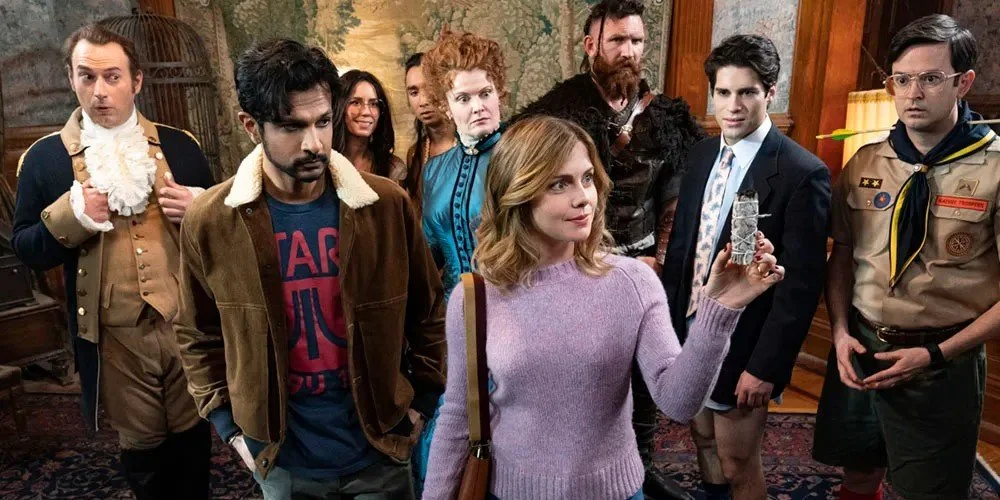
Just as Wraith: the Oblivion can be ran like the comedy series Ghosts, The Black Ballad can be ran like Severed Threads.
The solipsistic behavior and selective empathy displayed might seem shocking to those expecting a Flanagan approach to “Directing” The Black Ballad. At some point, after an NPC questions, “Are they really the heroes we must rely on?” in response to some absurd behavior on the part of Jaq, a player quips, “Isn’t that the case with every D&D party,” or something to that effect. This might be true, but only if every D&D party is Directed in the style of an Action-Comedy by Taika Waititi or James Gunn. It was much the same tonal shock one would experience if they expected Vampire: the Masquerade, and got What We Do In The Shadows, or if they expected Wraith: the Oblivion, and got the (extremely funny) sitcom Ghosts.
“If MEDM had sought to achieve the grim and unrelenting tone of Wraith: the Oblivion, or a Mike Flanagan-style approach to The Black Ballad, where serious questions of memory and mortality are given appropriate weight, he would have cautioned his players against breaking immersion to tell a joke (and against singing an altered version of AC/DC’s Thunderstruck to a Blue Dragon).”
This highlights an important takeaway we can all benefit from. Tabletop RPGs and pre-written adventures alike may suggest a certain style, but in truth, there is a huge amount of flexibility to adjust them to fit the preferred style of an individual Storyteller and their gaming group. For more World of Darkness examples, a game line where Personal Horror was at the forefront of nearly every title, in the same way a Vampire game could end up as WWDITS, or a Wraith game could end up as Ghosts, one could easily run Orpheus and tonally transform it into The Office, or the Comedy Central series Corporate.
Any Campaign Setting Or Prewritten Adventure’s “Default
Tone” Can Be Ignored To Fit A Group’s Preferences
There is no setting or adventure that, by necessity, is “too heavy” for groups that prefer lighter fare, as Severed Threads proves. Ravenloft may be written to be Gothic Horror, but it could instead easily slip into the whimsically macabre tone of a Tim Burton film. Players and Storytellers who prefer to “keep it light,” therefore, can still enjoy a game that, by its nature, begs for a more serious approach, like The Black Ballad or The Red Opera. They might have an easier time with The Dark Carnival, which already leans towards the Tim Burton style, where horror is an aesthetic rather than a feeling anyone is expected to truly experience, of course, but more dismal adventures are not off the table for such groups.
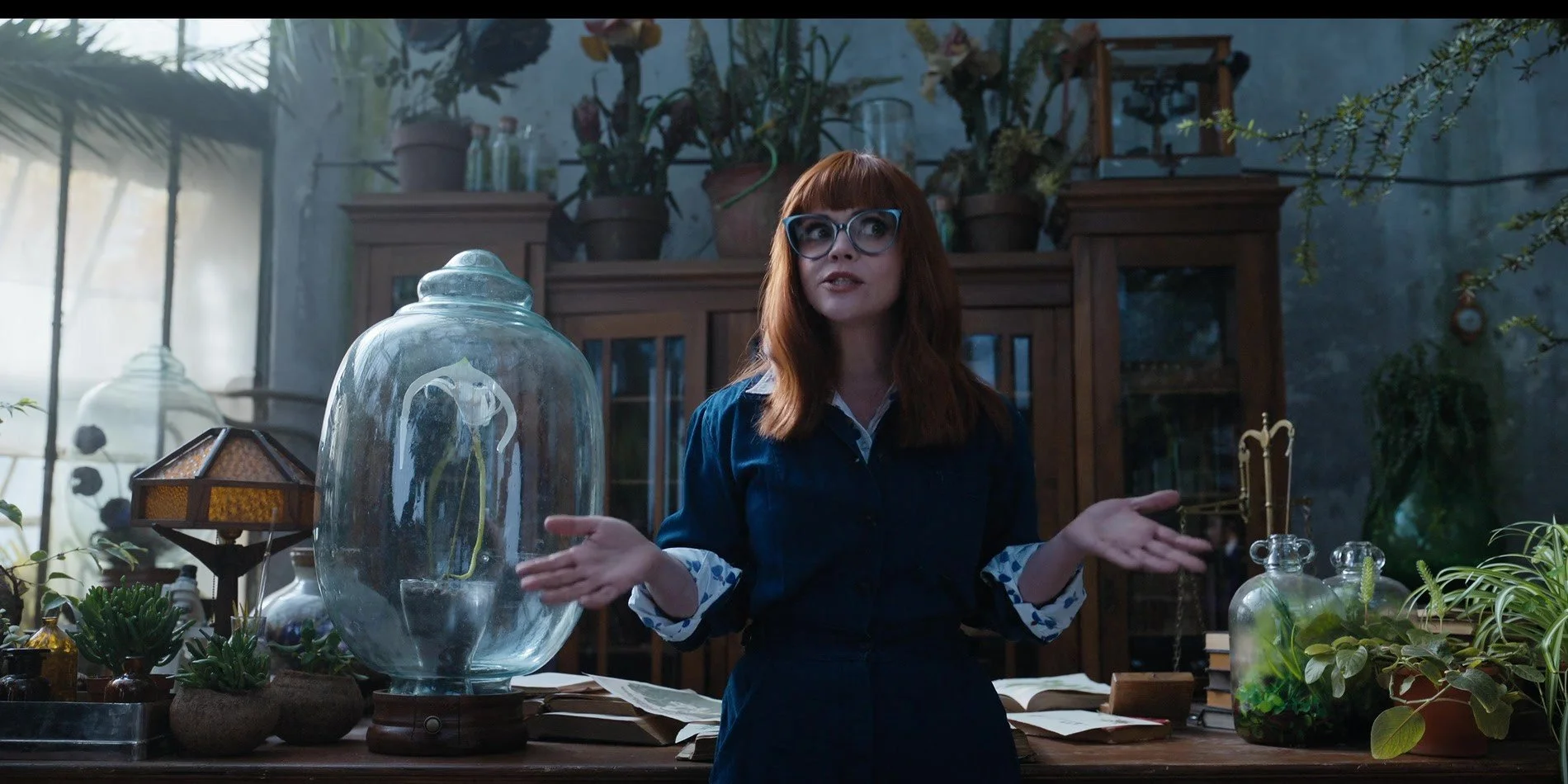
Some Storytellers may prefer to direct in the Tim Burton style, where Horror is an aesthetic, not a feeling anyone truly experiences.
As MEDM and his players effortlessly demonstrate, just because an adventure or a campaign setting contains weighty themes, there is no obligation to switch gears to a fully immersive, emotionally heavy style of play. For some, that may not be what they need out of TTRPGs, and more lighthearted escapism with lower emotional stakes might be what they desire. If anything, that immersive style of game (which was once the default for White Wolf’s World of Darkness era) might be much rarer in the hobby, and certainly less culturally highlighted than the low-stakes alternatives striving to match Rick & Morty for “jokes per minute.” Debating weighty philosophical matters in-character is a choice, and not one that fits every Director’s style.
When Majin the Betrayer, another iconic NPC from The Red Opera who makes their way into the story of The Black Ballad, suggests a method for slowing the spread of The Scarlet Malice, I felt sure it would result in a rousing discussion of the ethical ramifications of the plan. Majin suggests putting a moratorium on all forms of Resurrection magic until the pandemic-like curse can be dealt with permanently. The idea of cutting off the hope of resurrection across the multiverse is obviously not a thing to be taken lightly. Instead of a thorough debate on the consequences of the decision, the Paladin Wynn is the only one to comment on the fact that Resurrection is usually reserved for the elites of fantasy worlds, and the group forges on.
“The Storyteller running an adventure is the Director. They can coach their players on the tone they are seeking with any campaign, whether it’s a grim and sorrowful Mike Flanagan-Directed Black Ballad, or a whimsical low-stakes Tim Burton take on the same source material.”
In Taika Waititi’s What We Do In The Shadows, it would be tonally jarring if the characters suddenly started to ponder eternal damnation, or regret the lives cut short when they feed on myriad humans while hosting a bacchanal for a prominent vampire. It isn’t that kind of show. Given the established tone of Severed Threads, and the characters’ tongue-in-cheek approach to the stakes of any mission, it is actually more shocking in that version of The Black Ballad that the characters later did have that impassioned debate on the consequences of removing resurrection magic across all worlds. The Director (aka Storyteller) determines how immersive a game will be, and what is and is not normalized in their rendition of a campaign’s world.
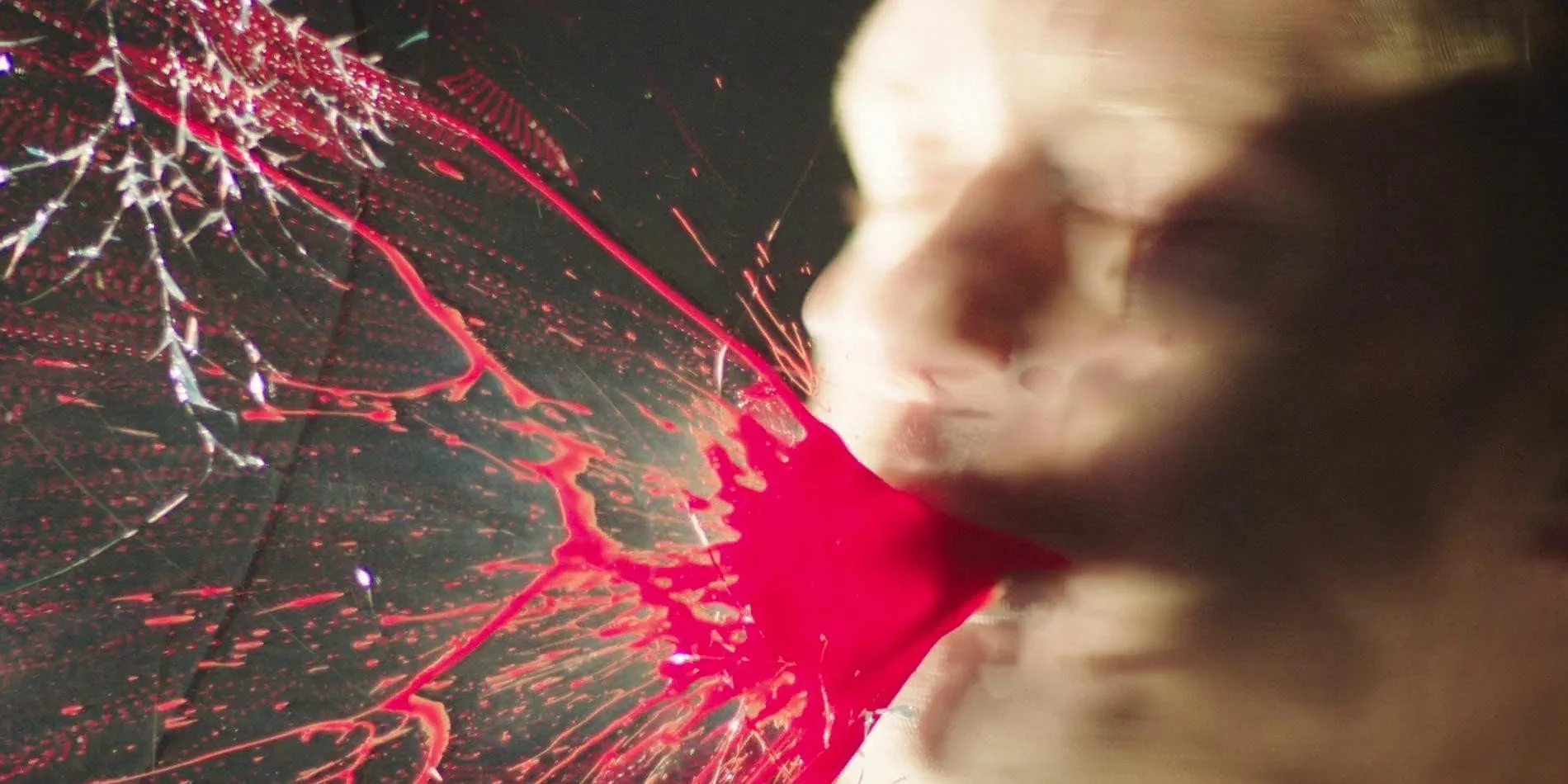
A DEBT MERC Storyteller could channel the satire of Brazil, or the unflinching critique of capitalism in Brandon Cronenberg’s Infinity Pool.
The same Director’s authority, for lack of a better term, might help many games that might seem otherwise intimidating become more approachable. When I first read about Storytellers Forge’s upcoming game DEBT MERC, my mind immediately went to running a game executed in the style of Brandon Cronenberg films like Possessor and Infinity Pool, both extremely gruesome and severe interrogations of the destructive power of Capitalism. Instead, a Storyteller could aim for a more satirical approach, evoking Terry Gilliam’s Brazil or Boots Riley’s Sorry to Bother You. It is crucial that a Storyteller clearly communicates proper expectations to their players, of course, so they are on the same page.
If MEDM had sought to achieve the grim and unrelenting tone of Wraith: the Oblivion, or a Mike Flanagan-style approach to The Black Ballad, where serious questions of memory and mortality are given appropriate weight, he would have cautioned his players against breaking immersion to tell a joke (and against singing an altered version of AC/DC’s Thunderstruck to a Blue Dragon). There are moments where the cast brings it together for a bit of somber RP, but like a Taika Waititi film, those tonal shifts really only exist to make the next bit of irreverent humor hit that much harder. The important takeaway this shows me is that no group should shy away from a TTRPG simply because it seems “too heavy” for their table.
The Storyteller running an adventure is the Director. They can coach their players on the tone they are seeking with any campaign, whether it’s a grim and sorrowful Mike Flanagan-Directed Black Ballad, or a whimsical low-stakes Tim Burton take on the same source material. Life can be hard enough as it is, and sometimes a group might worry that a particularly serious and immersive game, run in the classic World of Darkness style, might add to their stress level rather than taking away from it. That doesn’t mean that the starker adventures like The Red Opera or The Black Ballad need to be off the table for them, simply that the Storyteller might choose to direct them with a more lighthearted flair.